
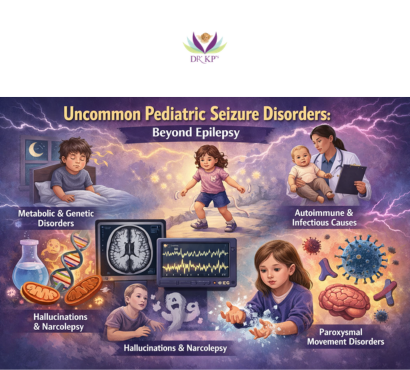
Seizures in children are often immediately associated with epilepsy. However, not all seizures are caused by epilepsy. Several uncommon pediatric seizure disorders can mimic epilepsy but arise from different neurological, metabolic, genetic, or psychological causes. Understanding these conditions helps parents seek timely evaluation, avoid misdiagnosis, and ensure children receive the most appropriate treatment.
Recognizing seizure-like events early and identifying their underlying cause is essential because management strategies differ significantly depending on the diagnosis.
What Are Pediatric Seizure Disorders?
Pediatric seizure disorders refer to conditions in which abnormal electrical activity in the brain leads to sudden changes in movement, awareness, behavior, or sensation in children. While epilepsy is the most widely known seizure disorder, many other conditions can cause seizure-like episodes without being classified as epilepsy.
These episodes may occur due to:
- metabolic imbalances
- genetic syndromes
- structural brain differences
- infections
- developmental disorders
- psychological triggers
- sleep disturbances
- cardiovascular causes
Some of these conditions are temporary and reversible, while others require long-term neurological monitoring.
Why Not All Seizures Mean Epilepsy
Epilepsy is diagnosed when a child experiences two or more unprovoked seizures caused by persistent abnormal brain activity. However, several pediatric conditions can produce symptoms that resemble epileptic seizures but do not involve chronic epilepsy.
These include:
- febrile seizures
- breath-holding spells
- reflex anoxic seizures
- benign neonatal seizures
- non-epileptic events
- metabolic seizure disorders
- movement disorders mistaken for seizures
Correct identification helps avoid unnecessary long-term anti-seizure medications.
Types of Uncommon Pediatric Seizure Disorders
Understanding rare seizure conditions allows parents and caregivers to respond appropriately and seek specialized evaluation when needed.
Febrile Seizures
Febrile seizures occur when a child develops a seizure during a fever, usually between ages 6 months and 5 years.
Common features include:
- sudden jerking movements
- rolling eyes
- brief loss of awareness
- stiffening of the body
Most febrile seizures are harmless and do not indicate epilepsy.
Benign Neonatal Seizures
These seizures occur in newborns within the first days of life and often resolve naturally as the brain matures.
Symptoms may include:
- repetitive facial movements
- lip smacking
- unusual eye movements
- brief limb jerks
Early neurological evaluation ensures appropriate monitoring.
Reflex Anoxic Seizures
Reflex anoxic seizures occur when sudden pain, fear, or emotional distress temporarily reduces blood flow to the brain.
Signs include:
- pale skin appearance
- loss of consciousness
- body stiffening
- brief shaking episodes
Although frightening, these seizures are typically harmless and self-limiting.
Breath-Holding Spells
Breath-holding spells are common in toddlers and may resemble seizures.
Triggers include:
- frustration
- anger
- sudden injury
- emotional distress
During an episode:
- the child stops breathing briefly
- skin may turn blue or pale
- temporary unconsciousness may occur
Most children outgrow these spells naturally.
Non-Epileptic Seizures in Children
Non-epileptic seizures, sometimes called psychogenic events, are episodes that resemble seizures but are not caused by abnormal brain electrical activity.
Possible causes include:
- anxiety
- emotional stress
- trauma
- sleep disturbances
- behavioral conditions
These events require a different treatment approach than epilepsy.
Metabolic Seizure Disorders
Certain metabolic imbalances can lead to seizure-like activity in children.
Common causes include:
- low blood sugar
- calcium deficiency
- electrolyte imbalance
- vitamin deficiencies
- inherited metabolic disorders
Prompt diagnosis helps prevent long-term neurological complications.
Genetic Epilepsy Syndromes with Unique Features
Some rare genetic conditions cause seizures that differ from typical epilepsy patterns.
Examples include:
- Dravet syndrome
- Lennox-Gastaut syndrome
- West syndrome
These disorders require specialized neurological care and long-term monitoring.
Symptoms Parents Should Watch For
Recognizing early warning signs helps ensure timely medical evaluation.
Common symptoms include:
- sudden body stiffening
- jerking limb movements
- staring spells
- confusion after episodes
- unusual eye movements
- repeated blinking
- temporary loss of awareness
- sudden falls
- rhythmic head nodding
Tracking the frequency and duration of episodes helps doctors determine the underlying cause.
When Should Parents Seek Medical Evaluation?
Parents should consider medical assessment if a child experiences:
- repeated seizure-like episodes
- seizures without fever
- prolonged unconsciousness
- developmental delay after episodes
- seizures before age 6 months
- seizures lasting longer than five minutes
- unusual recovery patterns after events
Early diagnosis improves treatment outcomes significantly.
How Pediatric Seizure Disorders Are Diagnosed
Doctors evaluate seizure-like episodes using a combination of medical history, observation, and diagnostic testing.
Common investigations include:
Electroencephalogram (EEG)
An EEG records brain electrical activity and helps identify abnormal seizure patterns.
Brain Imaging
MRI scans help detect structural brain differences that may contribute to seizures.
Blood Tests
Laboratory testing helps identify metabolic imbalances or nutritional deficiencies.
Developmental Assessment
Developmental screening ensures seizures are not affecting learning or behavior.
Treatment Options for Rare Pediatric Seizure Disorders
Treatment depends entirely on the underlying cause rather than the seizure event alone.
Possible treatment approaches include:
- fever control during infections
- nutritional correction
- electrolyte management
- behavioral therapy
- sleep regulation
- neurological monitoring
- targeted medications when necessary
Many children recover fully once the cause is addressed.
Can Children Outgrow These Seizure Disorders?
Yes, many uncommon pediatric seizure disorders improve with age.
Conditions that often resolve naturally include:
- febrile seizures
- breath-holding spells
- benign neonatal seizures
However, genetic or metabolic seizure disorders may require ongoing neurological care.
Early monitoring helps guide long-term expectations.
Supporting a Child with Seizure-Like Episodes
Parents can help children by maintaining awareness and tracking episode patterns carefully.
Helpful strategies include:
- noting triggers before episodes
- recording duration of events
- observing recovery time
- maintaining regular sleep schedules
- ensuring balanced nutrition
- reporting developmental concerns early
Accurate observations help doctors reach faster diagnoses.
Long-Term Outlook for Children with Rare Seizure Disorders
The long-term outlook depends on the specific diagnosis.
Many children:
- recover completely
- experience fewer episodes with age
- respond well to treatment
- continue normal development
Early evaluation remains the most important factor in improving outcomes.
FAQ
Are all seizures in children caused by epilepsy?
No. Many seizure-like episodes in children occur due to fever, metabolic imbalance, emotional triggers, or developmental conditions rather than epilepsy.
Can stress cause seizures in children?
Stress itself does not usually cause epileptic seizures, but emotional stress may trigger non-epileptic seizure-like episodes in some children.
Do febrile seizures lead to epilepsy later in life?
Most febrile seizures do not lead to epilepsy. Only a small percentage of children with complex febrile seizures may require further neurological monitoring.