drkalpeshpatil

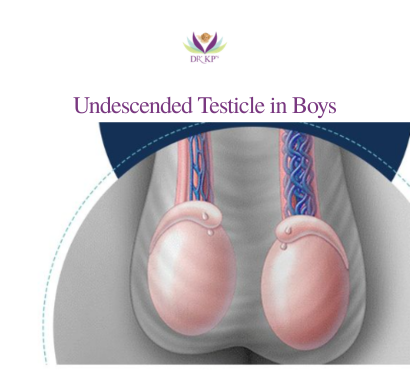
Undescended-Testicle

Undescended Testicle in Boys: Causes, Symptoms & Treatment

For parents in Pune, learning that their baby boy has an undescended testicle can be worrying. Medically called cryptorchidism, this condition occurs when one or both testicles fail to move into the scrotum before birth. While it is relatively common — affecting about 3–4% of full‑term male infants — it requires careful monitoring and sometimes […]

Undescended Testicle in Boys: Causes, Symptoms & Treatment Read More »

blood-in-child-urine

Blood in Child’s Urine: Common Symptoms in PCMC Kids

For parents in PCMC, seeing blood in a child’s urine can be one of the most frightening experiences. Medically known as hematuria, this condition may appear as pink, red, or brown discoloration in urine. While sometimes harmless, blood in urine can also signal serious underlying issues such as infections, kidney problems, or structural abnormalities. Because

Blood in Child’s Urine: Common Symptoms in PCMC Kids Read More »

hernia-in-babies

8 Early Signs of Hernia in Babies You Shouldn’t Ignore in Pune

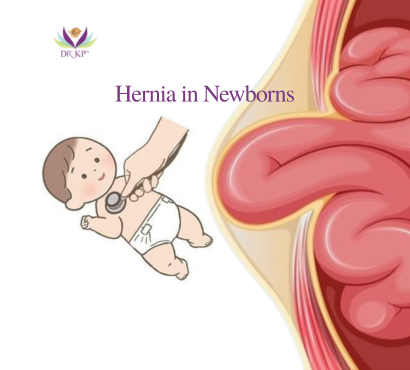
For parents in Pune, every small change in their baby’s health can feel alarming. One condition that often begins quietly but can become serious if ignored is hernia in infants. A hernia occurs when part of the intestine or tissue pushes through a weak spot in the abdominal wall. While it may look like a

8 Early Signs of Hernia in Babies You Shouldn’t Ignore in Pune Read More »

Neurocutaneous Syndromes

Neurocutaneous Syndromes in Children: When Skin Marks Signal Brain Conditions

Certain skin marks in children are more than simple birthmarks. In some cases, they may indicate underlying neurological conditions affecting the brain, spinal cord, nerves, or eyes. These conditions are known as neurocutaneous syndromes. Neurocutaneous syndromes are genetic disorders that affect both the skin and nervous system. Because the skin and brain develop from the

Neurocutaneous Syndromes in Children: When Skin Marks Signal Brain Conditions Read More »

Pediatric-Seizure-Disorders

Uncommon Pediatric Seizure Disorders: Beyond Epilepsy

Seizures in children are often immediately associated with epilepsy. However, not all seizures are caused by epilepsy. Several uncommon pediatric seizure disorders can mimic epilepsy but arise from different neurological, metabolic, genetic, or psychological causes. Understanding these conditions helps parents seek timely evaluation, avoid misdiagnosis, and ensure children receive the most appropriate treatment. Recognizing seizure-like

Uncommon Pediatric Seizure Disorders: Beyond Epilepsy Read More »

pediatric dysphagia

How to Recognize and Manage Pediatric Dysphagia

Feeding and swallowing are essential functions that most people perform without thinking. For infants and children, however, these processes involve a complex coordination of muscles and nerves. When this coordination is disrupted, a child may experience pediatric dysphagia, a condition that makes swallowing difficult or unsafe. Pediatric dysphagia refers to problems with chewing, swallowing, or

How to Recognize and Manage Pediatric Dysphagia Read More »

autoimmune hepatitis

Autoimmune Hepatitis in Children: A Pediatric Perspective

Liver diseases in children are often unexpected and difficult for families to understand. One such condition that requires early attention is autoimmune hepatitis (AIH)—a chronic disease where the body’s immune system mistakenly attacks the liver. While it may sound alarming, the good news is that with timely diagnosis and proper treatment, children with autoimmune hepatitis

Autoimmune Hepatitis in Children: A Pediatric Perspective Read More »