
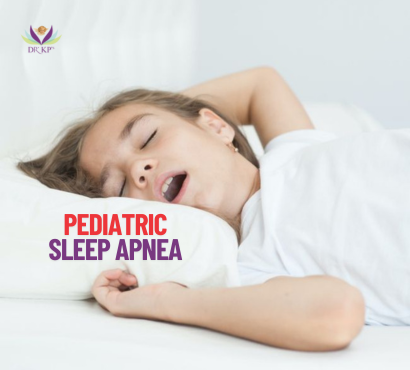
Pediatric sleep apnea—where breathing repeatedly pauses during sleep—affects 2–10% of children in India. Often mistaken for normal snoring, it can impair behavior, growth, and school performance. Recognizing nuanced signs and seeking timely evaluation can avert long-term issues like poor learning, cardiovascular strain, and emotional difficulties.
2. What is Pediatric Sleep Apnea?
The primary type in children is Obstructive Sleep Apnea (OSA): muscles, enlarged tonsils/adenoids obstruct airflow intermittently. Less common is central sleep apnea where the brain fails to signal breathing.
Key measure: Apnea–Hypopnea Index (AHI)
- Normal: <1 per hour
- Mild: 1–5
- Moderate: 5–10
- Severe: ≥10
3. Common Symptoms in Children
A. Night-time Disturbances
- Persistent snoring or gasping noises
- Restless or disrupted sleep, tossing and turning
- Pauses in breathing, followed by choking or gasping
- Mouth breathing, night sweats, bedwetting
B. Daytime Effects
- Difficulty waking, morning headaches
- Daytime sleepiness, irritability, trouble concentrating
- Behavioral issues—hyperactivity, attention deficit
- Poor academic performance, growth delays, high blood pressure risks
4. Who is at Risk?
- Enlarged tonsils/adenoids
- Overweight children
- Down syndrome, neuromuscular disorders
- Premature birth history
- Family history of OSA or nasal obstruction
5. Screening & Diagnosis
- Parental questionnaires (symptom checklists)
- Overnight oximetry/pulse oximeter at home for alarm-guided screening
- Polysomnography (Sleep study) in lab: monitors AHI, oxygen, ECG, airflow—gold standard for pediatric diagnosis. Recommended for moderate/severe symptoms.
- Home respiratory polygraphy used in mild cases, subject to availability.
6. Next Steps After Detection
A. Mild Cases
- Weight control, sleep hygiene, allergy management
B. Medical/Surgical Treatment
- Adenotonsillectomy for enlarged tonsils/adenoids (most effective first step in India)
- Nasal steroids or allergy treatments may help mild cases
C. Severe or Persistent Cases
- CPAP therapy uses a mask for airflow support—ideal when surgery isn’t enough or contraindicated
- Oral appliances in select age groups
- Monitoring and follow-up—re-evaluate growth, behavioral improvements
7. Impact of Untreated Sleep Apnea
If left unmanaged, pediatric sleep apnea can result in:
- Cognitive delays—poor concentration, school performance
- Behavioral issues—hyperactivity, irritability
- Slow growth, obesity, hypertension, metabolic syndrome
- Heart problems over time due to oxygen deprivation
Identifying and treating pediatric sleep apnea early promotes healthier growth, better focus, emotional stability, and academic success. If your child snores regularly or shows daytime changes like irritability or bedwetting, mention it to your pediatrician. A timely sleep study can lead to effective interventions—from minor lifestyle updates to definitive surgery—helping your child thrive throughout childhood and beyond.
FAQs
Q1. At what age can sleep apnea occur?
It can appear as soon as age 2 when tonsils/adenoids grow large. Also seen in younger children with specific medical conditions or obesity.
Q2. Does every snoring child have sleep apnea?
No. Occasional snoring is common. Persistent snoring with breathing pauses, nighttime awakenings, and daytime issues suggests the need for evaluation.
Q3. Is surgery the only treatment?
No. Mild OSA may improve with lifestyle and medical treatment. CPAP is ideal when surgery isn’t enough or suitable.