
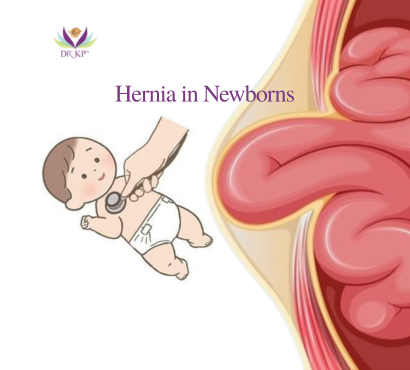
For parents in Pune, the first few months of a baby’s life are filled with joy, but also with constant vigilance. Every cry, every unusual movement, and every change in the baby’s body can raise concern. One condition that often worries parents is hernia in newborns. Hernia occurs when part of the intestine or tissue pushes through a weak spot in the abdominal wall. In newborns, this can appear as a bulge near the belly button (umbilical hernia) or in the groin (inguinal hernia).
While hernias are relatively common in infants, they should never be ignored. This blog provides Pune parents with a detailed guide: explaining causes, symptoms, risks, diagnosis, treatment, and practical care tips.
Understanding Hernia in Newborns
What Is a Hernia?
A hernia is a protrusion of tissue through a weak spot in the muscles. In newborns, the most common types are:
- Umbilical hernia: Bulge near the belly button.
- Inguinal hernia: Bulge in the groin, more common in boys.
Why It Matters
- Hernias may look harmless but can lead to complications.
- Strangulated hernia (blood supply cut off) is a medical emergency.
- Early detection ensures safe treatment.
Causes and Risk Factors
- Premature birth: Babies born early have weaker abdominal walls.
- Low birth weight: Increases vulnerability.
- Family history: Genetic predisposition.
- Gender: Boys more likely to develop inguinal hernia.
- Crying or straining: Increases abdominal pressure.
Symptoms Parents Should Watch
- Bulge near belly button or groin.
- Swelling that appears during crying or straining.
- Bulge that disappears when baby is calm.
- Irritability or excessive crying.
- Vomiting or feeding difficulties.
- Redness or tenderness around bulge.
- Fever with swelling.
Awareness Section: When to Consult a Doctor
Parents in Pune should consult a Child Specialist in PCMC or Dr. Kalpesh Patil if:
- Bulge appears repeatedly.
- Swelling becomes hard or painful.
- Baby refuses feeding or vomits persistently.
- Fever accompanies swelling.
Seek immediate care from a Pediatric Surgeon in Pune if strangulated hernia is suspected.
Diagnosis
Doctors may use:
- Physical exam: Checking bulge during crying or straining.
- Ultrasound: To confirm hernia and rule out other conditions.
- Medical history: Prematurity, family history, feeding issues.
Treatment Options
Observation
- Small umbilical hernias may resolve by age 1–2.
- Regular monitoring required.
Surgery
- Inguinal hernias almost always require surgery.
- Umbilical hernias may need surgery if persistent beyond age 2.
- Laparoscopic surgery is safe and effective in newborns.
Post‑Surgery Care
- Quick recovery in infants.
- Regular follow‑ups to monitor healing.
Risks if Untreated
- Strangulation: Blood supply cut off, leading to tissue death.
- Obstruction: Intestine blocked, causing vomiting and pain.
- Infection: Swelling with fever.
- Growth issues: Chronic discomfort affecting feeding.
Tips for Parents
Monitoring
- Observe bulge size and changes.
- Note if swelling increases during crying.
Home Care
- Avoid tight clothing or diapers.
- Maintain feeding schedules to reduce strain.
- Keep regular pediatric appointments.
Emotional Support
- Reassure family members.
- Stay calm and informed.
Prevention
- Hernia cannot always be prevented.
- Healthy pregnancy reduces risk.
- Avoid constipation in baby through balanced feeding.
Hernia in newborns is common but should never be ignored. Parents in Pune should stay alert to symptoms and consult pediatric experts promptly. With timely treatment, babies recover quickly and grow healthy.
FAQs
- Can hernia in newborns heal on its own?
Umbilical hernias sometimes resolve naturally, but inguinal hernias require surgery.
- Is surgery safe for newborns?
Yes, pediatric surgeons perform safe, minimally invasive procedures.
- How soon should I consult a doctor?
Immediately if swelling is hard, painful, or accompanied by fever.