
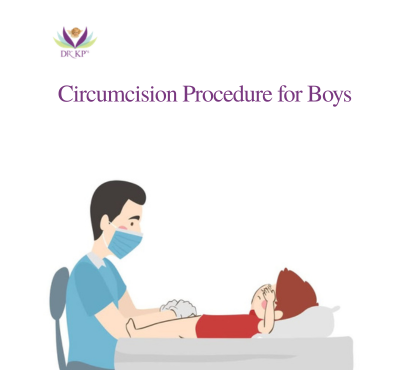
Circumcision is one of the oldest surgical procedures in the world, performed for cultural, religious, and medical reasons. For parents in Talegoan, deciding whether their son should undergo circumcision can be a sensitive and sometimes confusing choice. While circumcision is common in many communities, it is important to understand the procedure, its benefits, risks, and what to expect before, during, and after surgery.
This blog provides Talegoan families with a comprehensive guide: explaining the circumcision procedure, medical indications, preparation, recovery, and practical care tips.
Understanding Circumcision
What Is Circumcision?
Circumcision is the surgical removal of the foreskin — the fold of skin covering the tip of the penis.
Why It Matters
- Circumcision may be performed for cultural or religious reasons.
- It can also be recommended for medical conditions such as phimosis (tight foreskin) or recurrent infections.
- Parents should be aware of both benefits and risks before making a decision.
Medical Indications for Circumcision
- Phimosis: Foreskin too tight to retract.
- Recurrent infections: Frequent urinary tract infections or balanitis.
- Paraphimosis: Foreskin stuck behind the head of the penis.
- Congenital abnormalities: Rare cases requiring surgical correction.
Benefits of Circumcision
- Reduced risk of urinary tract infections.
- Lower risk of penile infections.
- Easier hygiene.
- Reduced risk of certain sexually transmitted infections later in life.
- Cultural or religious fulfillment.
Risks and Considerations
- Pain and discomfort after surgery.
- Bleeding or infection (rare).
- Cosmetic concerns if healing is uneven.
- Emotional impact if not explained properly to older boys.
Awareness Section: Circumcision in Talegoan
Parents in Talegoan can access safe circumcision procedures at trusted pediatric centers.
- Best Pediatric Surgeon in Pune offers safe circumcision options for boys.
- Child Specialist in PCMC provides guidance on whether circumcision is medically necessary.
- Pediatric Surgery in Pune ensures minimally invasive and child‑friendly care.
The Circumcision Procedure
Preparation
- Consultation with pediatric surgeon.
- Medical history review.
- Blood tests if necessary.
- Explanation of risks and benefits to parents.
During Surgery
- Performed under local or general anesthesia.
- Foreskin removed using surgical instruments.
- Procedure usually takes 30–60 minutes.
After Surgery
- Dressing applied to protect wound.
- Pain managed with medication.
- Child discharged same day in most cases.
Recovery and Aftercare
Immediate Recovery
- Mild swelling and redness expected.
- Pain controlled with prescribed medication.
At Home
- Keep area clean and dry.
- Change dressings as advised.
- Avoid tight clothing.
Long‑Term
- Healing complete in 1–2 weeks.
- Normal activities resumed quickly.
Tips for Parents
- Prepare child emotionally: Explain procedure in simple terms.
- Follow doctor’s instructions: Medication, hygiene, activity restrictions.
- Monitor healing: Watch for redness, swelling, or discharge.
- Provide emotional support: Reassure child and reduce anxiety.
- Attend follow‑ups: Ensure proper healing.
Prevention and Awareness
Circumcision is not always medically necessary. Parents should consult pediatric experts before deciding. Preventive care includes:
- Teaching proper hygiene.
- Regular pediatric check‑ups.
- Addressing foreskin issues early.
Circumcision is a safe and common procedure for boys in Talegoan when performed by experienced pediatric surgeons. Parents should understand the benefits, risks, and aftercare before making a decision. With proper guidance and care, circumcision can be a smooth and safe experience for children.
FAQs
- Is circumcision painful?
Pain is mild and managed with medication. - How long does recovery take?
Usually 1–2 weeks. - Is circumcision always necessary?
No, only if medically indicated or for cultural reasons.