
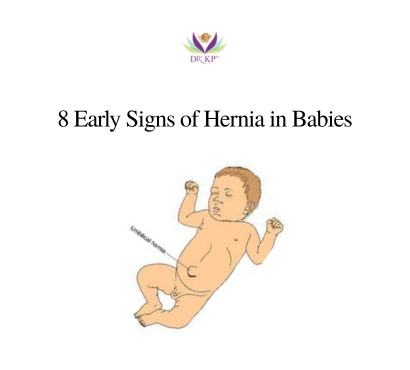
For parents in Pune, every small change in their baby’s health can feel alarming. One condition that often begins quietly but can become serious if ignored is hernia in infants. A hernia occurs when part of the intestine or tissue pushes through a weak spot in the abdominal wall. While it may look like a harmless bulge, untreated hernias can lead to complications such as obstruction or strangulation.
The good news is that hernia in babies is treatable, especially when detected early. This blog explains the 8 early signs of hernia in babies, why they matter, and what parents in Pune should do next.
Understanding Hernia in Babies
Before diving into the signs, it helps to understand what hernia is and why it occurs.
- Types of Hernia in Infants:
- Inguinal hernia: Appears in the groin area, more common in boys.
- Umbilical hernia: Appears near the belly button, often seen in newborns.
- Causes:
- Weak abdominal wall muscles present at birth.
- Premature birth increases risk.
- Family history of hernia.
- Why It Matters:
- Hernias don’t heal on their own.
- Delay in treatment can cause strangulation (blood supply cut off to intestine).
- Early detection ensures safe, minimally invasive surgery.
8 Early Signs Parents Should Watch
1. Visible Bulge in the Groin or Abdomen
The most common sign is a soft bulge in the groin or belly. It may appear when the baby cries, coughs, or strains during feeding. Parents often mistake it for swelling, but it’s actually tissue pushing through a weak spot.
2. Swelling That Disappears When Relaxed
If the bulge reduces or disappears when the baby is calm or lying down, it’s a typical sign of hernia. This “on‑and‑off” swelling is a red flag.
3. Irritability and Crying During Feeding
Babies with hernia may cry excessively during feeding due to discomfort. Parents in Pune often report fussiness that doesn’t improve with routine soothing.
4. Vomiting or Feeding Difficulties
Persistent vomiting or refusal to feed can indicate obstruction caused by hernia. This requires urgent medical attention.
5. Constipation or Difficulty Passing Stool
Hernia can affect bowel movement, leading to constipation or straining. If your baby struggles regularly, consult a Child Specialist in PCMC.
6. Redness or Tenderness Around the Bulge
If the bulge becomes red, hard, or painful to touch, it may signal strangulation — a medical emergency.
7. Restlessness During Sleep
Babies may wake frequently or appear restless due to abdominal discomfort. Parents often notice disturbed sleep patterns.
8. Fever with Swelling
Fever combined with swelling is a serious warning sign. It may indicate infection or strangulated hernia. Immediate consultation with a Pediatric Surgeon in Pune is necessary.
Causes and Risk Factors
- Premature birth: Babies born early have weaker abdominal walls.
- Family history: Genetic predisposition increases risk.
- Gender: Boys are more likely to develop inguinal hernia.
- Chronic coughing or constipation: Increases abdominal pressure.
Diagnosis
Doctors usually diagnose hernia through physical examination. In some cases, ultrasound may be used to confirm.
- Physical exam: Checking for bulge when baby cries or strains.
- Imaging: Ultrasound to rule out other conditions.
Treatment Options
- Observation: For small umbilical hernias, doctors may monitor until age 1–2.
- Surgery: Inguinal hernias almost always require surgery.
- Laparoscopic repair: Minimally invasive, safe for infants.
Consult Dr. Kalpesh Patil for expert guidance on treatment options.
Awareness Section: When to Consult a Doctor
Parents should not wait for hernia to worsen. Consult a doctor if:
- Bulge appears repeatedly.
- Baby cries excessively during feeding.
- Swelling becomes hard or painful.
- Fever accompanies swelling.
Trusted resources like Pediatric Health provide valuable information for parents in Pune.
Tips for Parents
- Monitor regularly: Note when bulge appears and disappears.
- Avoid tight clothing: Prevents pressure on abdomen.
- Maintain feeding schedules: Reduces strain.
- Seek immediate care: Don’t delay if swelling changes in size or texture.
- Stay informed: Read reliable pediatric health blogs for awareness.
Prevention and Parental Care
While hernia cannot always be prevented, parents can reduce risks by:
- Ensuring proper nutrition for baby’s growth.
- Avoiding constipation through balanced feeding.
- Keeping regular check‑ups with pediatricians.
Hernia in babies is treatable, but early detection is key. Parents in Pune should stay alert to these 8 signs and consult pediatric experts promptly. With proper care, babies recover quickly and lead healthy lives.
FAQs
- Can hernia in babies heal on its own?
No, most hernias require medical evaluation and sometimes surgery. - Is hernia surgery safe for infants?
Yes, pediatric surgeons perform safe, minimally invasive procedures. - 3. How soon should I consult a doctor?
Immediately if swelling is hard, painful, or accompanied by fever.