
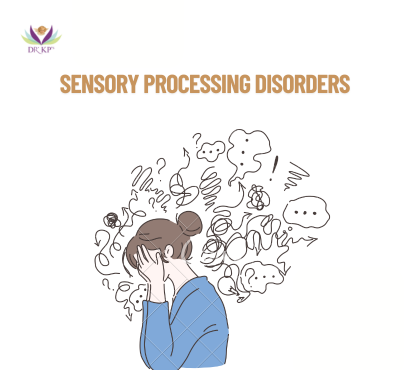
Imagine a child who bursts into tears at the sound of a vacuum cleaner, or one who avoids hugs, or even a child who can’t sit still due to the overwhelming sensation of a tag on their shirt. These could be signs of a condition known as Sensory Processing Disorder (SPD). While not widely understood, SPD is a real and impactful condition that affects how the brain processes sensory information. As a parent, early recognition and supportive intervention can make all the difference.
In this blog, we’ll explain what SPD is, how it affects children, its symptoms, causes, and practical strategies to support your child both at home and in school.
What is Sensory Processing Disorder (SPD)?
Sensory Processing Disorder is a condition where the brain has difficulty receiving and responding to information from the senses. These senses include:
- Touch
- Sight
- Sound
- Smell
- Taste
- Proprioception (body awareness)
- Vestibular (balance and movement)
Children with SPD might be overly sensitive to sensory input (hypersensitive) or under-sensitive (hyposensitive), or both, depending on the type of input.
Is SPD a Recognized Medical Diagnosis?
While SPD is not officially recognized in the Diagnostic and Statistical Manual of Mental Disorders (DSM-5), it is widely accepted among occupational therapists, pediatricians, and child development experts. SPD is often seen in children with other developmental conditions such as Autism Spectrum Disorder (ASD) and ADHD, but it can also occur independently.
Signs and Symptoms of SPD in Children
Symptoms can vary depending on whether a child is hypersensitive or hyposensitive. Here are some common signs:
Hypersensitive (Over-Responsive) Children:
- Startle easily at loud noises
- Avoid being touched or hugged
- Complain about clothing textures, tags, or seams
- Struggle with bright lights or strong smells
- Avoid messy play (like finger painting)
Hyposensitive (Under-Responsive) Children:
- Seem unaware of pain or temperature
- Constantly seek movement (spinning, jumping)
- Chew on objects (shirt collars, pencils)
- Bump into things often or seem clumsy
- Enjoy loud noises and rough play
What Causes SPD?
The exact cause is unknown, but some contributing factors may include:
- Genetics: A family history of sensory issues or developmental disorders
- Premature birth: Especially if born before 32 weeks
- Birth complications: Such as lack of oxygen during delivery
- Environmental stress: Early trauma or neglect can impact sensory development
Types of Sensory Processing Issues
There are generally three main patterns:
- Sensory Modulation Disorder – Difficulty regulating response to sensory input (either too much or too little).
- Sensory-Based Motor Disorder – Poor balance, coordination, or motor planning.
- Sensory Discrimination Disorder – Trouble understanding differences between sensations (e.g., sharp vs. dull).
How is SPD Diagnosed?
There is no single test for SPD. A diagnosis is usually made through:
- Parent/Caregiver observations
- Developmental history review
- Sensory checklists and behavior scales
- Comprehensive evaluation by an occupational therapist
A professional evaluation is important because SPD can mimic or overlap with other developmental disorders.
Treatment and Support Strategies
1. Occupational Therapy (OT)
Occupational therapists use Sensory Integration Therapy to help children respond more appropriately to sensory input. This may include:
- Brushing therapy
- Deep pressure activities
- Balance exercises
- Sensory swings
2. Home Modifications
- Create a calming space with soft lighting and sensory toys
- Use weighted blankets or compression clothing
- Minimize loud, chaotic environments
- Use visual schedules and routines for predictability
3. Classroom Support
- Collaborate with teachers to accommodate sensory needs
- Allow sensory breaks during the school day
- Provide fidget tools or noise-cancelling headphones
4. Dietary Adjustments
Some children benefit from sensory-friendly foods and textures. Consult a nutritionist if eating is an issue.
5. Parental Education and Support
Join parent support groups, attend workshops, and seek counseling if needed. A well-informed parent can be the strongest advocate.
Living with SPD: Realistic Expectations
SPD is a lifelong condition, but with early intervention and consistent support, most children can manage their symptoms and thrive. The goal is not to change the child but to help them adapt and flourish in their environment.
FAQs
- Is SPD the same as autism? No. While SPD and autism can co-occur and share some symptoms, they are different conditions. Children with autism often have social and communication difficulties beyond sensory issues.
- Can a child outgrow Sensory Processing Disorder? Some children may improve significantly with therapy, but most will continue to have some sensory sensitivities. The key is to help them develop coping skills.
- How can I support my child with SPD at home? Create a structured, calm environment. Use sensory-friendly tools, respect their sensory preferences, and consult an occupational therapist for personalized strategies.