
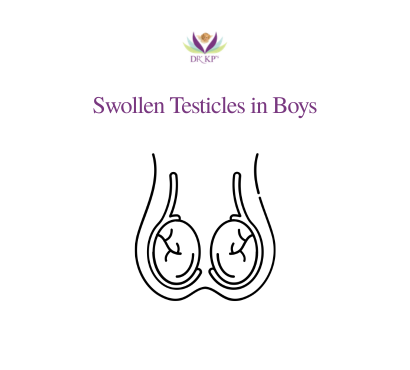
For parents in Pune, noticing swelling in a young boy’s testicles can be alarming. While some causes are harmless and temporary, others may signal serious medical conditions that require urgent attention. Because children may not be able to explain their discomfort clearly, parents must rely on observation and awareness of warning signs.
This blog provides a comprehensive guide for Pune families: explaining common causes of swollen testicles, red flags to watch for, when to consult a doctor, and practical tips for care and prevention.
Understanding Testicular Swelling in Boys
What Is Testicular Swelling?
Testicular swelling refers to enlargement, puffiness, or abnormal growth in one or both testicles. It may be painless or painful, sudden or gradual.
Why It Matters
- Swelling can be due to harmless fluid collection (hydrocele).
- It can also indicate serious conditions like hernia, infection, or torsion.
- Early detection prevents complications such as infertility or tissue damage.
Common Causes of Swollen Testicles
Hydrocele
- Fluid collects around the testicle.
- Common in newborns and usually resolves by age 1–2.
- Appears as painless swelling.
Hernia
- Intestine pushes into scrotum through weak abdominal wall.
- Swelling increases during crying or straining.
- Requires surgical correction.
Infection
- Epididymitis: Inflammation of tube behind testicle.
- Orchitis: Infection of testicle itself.
- Symptoms: pain, redness, fever.
Trauma
- Injury during play or sports.
- Causes temporary swelling and pain.
Testicular Torsion
- Twisting of spermatic cord cuts off blood supply.
- Sudden severe pain and swelling.
- Medical emergency requiring immediate surgery.
Red Flags Parents Should Watch
- Persistent swelling lasting more than a few days.
- Pain or redness in scrotum.
- Fever with swelling.
- Hard lump inside testicle.
- Sudden severe pain with nausea or vomiting.
- Swelling that increases during crying or straining.
Awareness Section: When to Consult a Doctor
Parents in Pune should consult a Child Specialist in PCMC or Dr. Kalpesh Patil if:
- Swelling is persistent or painful.
- Child has fever or vomiting.
- Swelling is accompanied by redness or hardness.
Seek immediate care from a Pediatric Surgeon in Pune if testicular torsion is suspected. Delay can cause permanent damage.
Diagnosis
Doctors may use:
- Physical exam: Checking size, tenderness, and fluid.
- Ultrasound: To detect fluid, torsion, or hernia.
- Urine tests: To rule out infection.
- Blood tests: If infection suspected.
Treatment Options
Hydrocele
- Often resolves naturally.
- Surgery if persistent beyond age 2.
Hernia
- Requires surgical correction.
- Laparoscopic surgery is safe and effective.
Infection
- Antibiotics prescribed.
- Pain relief and rest recommended.
Trauma
- Cold compress and rest.
- Medical evaluation if swelling persists.
Testicular Torsion
- Emergency surgery to restore blood flow.
- Delay can cause loss of testicle.
Tips for Parents
Monitoring
- Observe swelling size and changes.
- Note if swelling increases during crying or straining.
Home Care
- Avoid tight clothing.
- Provide supportive underwear.
- Use cold compress for minor trauma.
Emotional Support
- Reassure child and encourage reporting of discomfort.
- Avoid embarrassment — discuss openly and calmly.
Prevention
- Teach safe play habits.
- Encourage hygiene to prevent infections.
- Ensure regular pediatric check‑ups.
Swollen testicles in boys should never be ignored. While some causes are harmless, others require urgent medical care. Parents in Pune should stay alert to warning signs and consult pediatric experts promptly. Early detection ensures safe treatment and prevents complications.
FAQs
- Is hydrocele dangerous?
Usually harmless, but needs monitoring. - Can injury cause swelling?
Yes, trauma can cause temporary swelling. - 3. Should I wait for swelling to go away?
No, consult a pediatric surgeon for evaluation.