
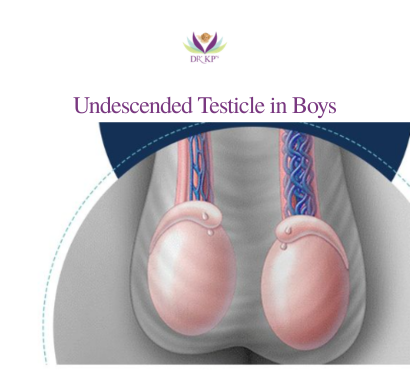
For parents in Pune, learning that their baby boy has an undescended testicle can be worrying. Medically called cryptorchidism, this condition occurs when one or both testicles fail to move into the scrotum before birth. While it is relatively common — affecting about 3–4% of full‑term male infants — it requires careful monitoring and sometimes surgical treatment.
This blog provides a detailed guide for Pune families: explaining causes, symptoms, risks, treatment options, and practical advice for parents.
Understanding Undescended Testicle
What Is It?
Normally, testicles develop inside the abdomen during pregnancy and descend into the scrotum before birth. In some boys, one or both testicles remain in the abdomen or groin.
Types
- Unilateral cryptorchidism: One testicle undescended.
- Bilateral cryptorchidism: Both testicles undescended.
Why It Matters
- Testicles need cooler scrotal temperature for sperm production.
- If untreated, risk of infertility increases.
- Risk of testicular cancer is higher in undescended testicles.
Causes and Risk Factors
Developmental Factors
- Premature birth increases risk.
- Low birth weight babies more vulnerable.
Genetic Factors
- Family history of undescended testicle.
- Hormonal imbalances during pregnancy.
Other Risk Factors
- Maternal health issues during pregnancy.
- Exposure to certain medications or smoking during pregnancy.
Symptoms Parents Should Watch
- Empty scrotum: One or both testicles not felt inside scrotum.
- Asymmetry: One side of scrotum looks smaller.
- Groin bulge: Sometimes testicle stuck in groin.
- Pain or discomfort (rare in infants, more in older boys).
Awareness Section: When to Consult a Doctor
Parents in Pune should consult a Child Specialist in PCMC or Dr. Kalpesh Patil if:
- Testicle is not visible in scrotum by 6 months of age.
- Scrotum looks uneven or empty.
- Child complains of groin pain.
Early consultation with a Pediatric Surgeon in Pune ensures timely treatment.
Diagnosis
Doctors may use:
- Physical exam: Checking scrotum and groin.
- Ultrasound: To locate undescended testicle.
- MRI or laparoscopy: Rarely used for deeper evaluation.
Treatment Options
Observation
- In some cases, testicle descends naturally by 6 months.
- After 6 months, spontaneous descent is unlikely.
Hormonal Therapy
- Rarely used, involves hormone injections.
- Limited success, not common in India.
Surgery (Orchiopexy)
- Standard treatment for undescended testicle.
- Performed between 6–18 months of age.
- Testicle moved into scrotum and fixed.
- Minimally invasive laparoscopic methods available in Pune.
Post‑Surgery Care
- Quick recovery in children.
- Regular follow‑ups to monitor growth.
Risks if Untreated
- Infertility: Testicle exposed to higher abdominal temperature.
- Cancer risk: Higher chance of testicular cancer later in life.
- Hernia: Associated with inguinal hernia.
- Psychological impact: Older boys may feel embarrassed.
Tips for Parents
Monitoring
- Check scrotum during diaper changes.
- Note if one side looks smaller.
Home Care
- Keep regular pediatric appointments.
- Follow doctor’s advice on surgery timing.
Emotional Support
- Reassure child if older.
- Avoid embarrassment — discuss openly and calmly.
Prevention
- While not always preventable, healthy pregnancy reduces risks.
- Avoid smoking and harmful medications during pregnancy.
Undescended testicle in boys is common but should not be ignored. Parents in Pune should stay alert to symptoms and consult pediatric experts promptly. With timely surgery, most boys grow up healthy and fertile.
FAQs
- Can undescended testicle correct itself?
Sometimes, but usually only within first 6 months. - Is surgery safe for infants?
Yes, orchiopexy is safe and effective. - What happens if surgery is delayed?
Risk of infertility and cancer increases.